2026-04-10 From Material Design to Systemic Therapy: Gut-Confined Antioxidant Nanoparticles for Inflammation-Driven Diseases
Time:2026-04-10(五) 15:20 pm
Topic:From Material Design to Systemic Therapy: Gut-Confined Antioxidant Nanoparticles for Inflammation-Driven Diseases
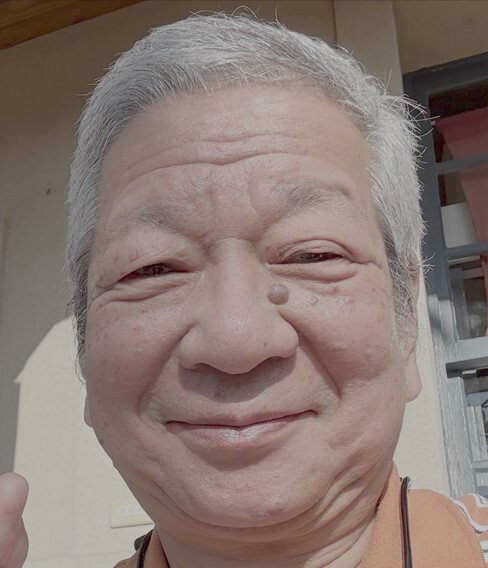
Speaker:Prof. Yukio Nagasaki(長崎幸夫 名譽教授)
Organization:筑波大學 材料科學系、成功大學 奈米醫學研究中心
Venue:93406
Host:田弘康 教授
Abstract:
Reactive oxygen species (ROS), which are inevitably produced by oxygen respiration for life to gain energy, are essential signaling molecules at normal levels but overproduced ROS oxidizes cellular proteins, lipids, and genes and causes various diseases. Natural antioxidants such as vitamins C and E and various synthetic antioxidants have been developed to reduce the involvement of ROS in diseases. Still, none of them achieved a remarkable medicinal effect. We have designed amphiphilic block copolymers in which antioxidant moieties were covalently introduced in the hydrophobic segment. The obtained block copolymer spontaneously forms polymer micelles in an aqueous solution. By covalently introducing a low molecular weight antioxidant into a molecular assembly using a high molecular weight micelle as a platform, we avoid toxicity and suppress inflammation. Since the designed nanoparticle type antioxidant (abbreviated as NanoAOX) significantly reduces their toxicity, it shows a remarkable therapeutic effect on various oxidative stress-related diseases such as cerebral, cardiovascular, renal ischemia-reperfusion injuries, cancer, Alzheimer's disease, and ulcerative colitis. Here, we have found that antioxidant nanoparticles localized in the gastrointestinal tract ameliorated stress-induced depression and athletic performance by eliminating gastrointestinal ROS by oral administration. For example, in stress-induced depression model mice, intense inflammation of the gastrointestinal tract was induced, but the oral administration of NanoAOX strongly suppressed it. As a result, the increase in stress hormones in the blood and the level of the neurologically-related proteins in the brain were suppressed, and the condition of depression was improved . When mice were forced to run on the treadmill until they could no longer run, their GI tract was damaged significantly. After oral administration of NanoAOX, the intestinal damage was recovered significantly, and the running time was extended by 40-50% compared to normal mice. Therefore, we conclude that the effective elimination of ROS that is overproduced in the GI tract is extensively involved in maintaining health.
Reference: Yukio Nagasaki, Controlling Systemic Disease from the Gut— Intestinal ROS as an Upstream Driver of Systemic Inflammation, JCBN, in press. (doi: 10.3164/jcbn.26-13)
Education and Experience :
詳情請參見附檔